World Cup Buzz and in-baterybet.in integration — All Eyes on 2026

The countdown to the 2026 FIFA World Cup feels more https://in-baterybet.in/ electric than ever as fans, players, and even global celebs swear this could be the event of the decade. With matches lined up across 16 host cities in the United States, Canada, and Mexico, the scale of this tournament is unprecedented — and it’s spilling over into every corner of fan culture, including how people engage with the games off the pitch.

This is where https://in-baterybet.in/ steps into the spotlight. As the tournament draws near, many football fans are exploring new ways to interact with the action beyond just watching. Betting platforms have become part of the fan experience, and the https://in-baterybet.in/ integration is generating talk because it lets users follow odds, make live wagers, and experience the suspense of each match in real time. Whether it’s predicting who will win a tight group or where a shock upset might happen, this sort of tech layer is becoming part of how millions experience the World Cup. The site’s smooth live updates and broader market choices make it easy for first‑timers and seasoned bettors alike to connect with the tournament’s unfolding drama.

What makes this World Cup even more captivating is the star power involved. We’ve already seen iconic athletes and celebrities turn up for major pre‑tournament events — big names from football and beyond — giving the lead‑up its own star‑studded storyline. At recent draws and fan festivals ahead of kickoff, personalities from sports and entertainment have been spotted sharing excitement.

Beyond the fun and games, this World Cup has serious scale — 48 teams, 104 matches, and countless moments waiting to happen. Whether you’re in the stands or watching from halfway around the world, there’s a palpable sense that something historic is about to unfold.

A diverse lineup of global artists to perform at Jazz Weekender

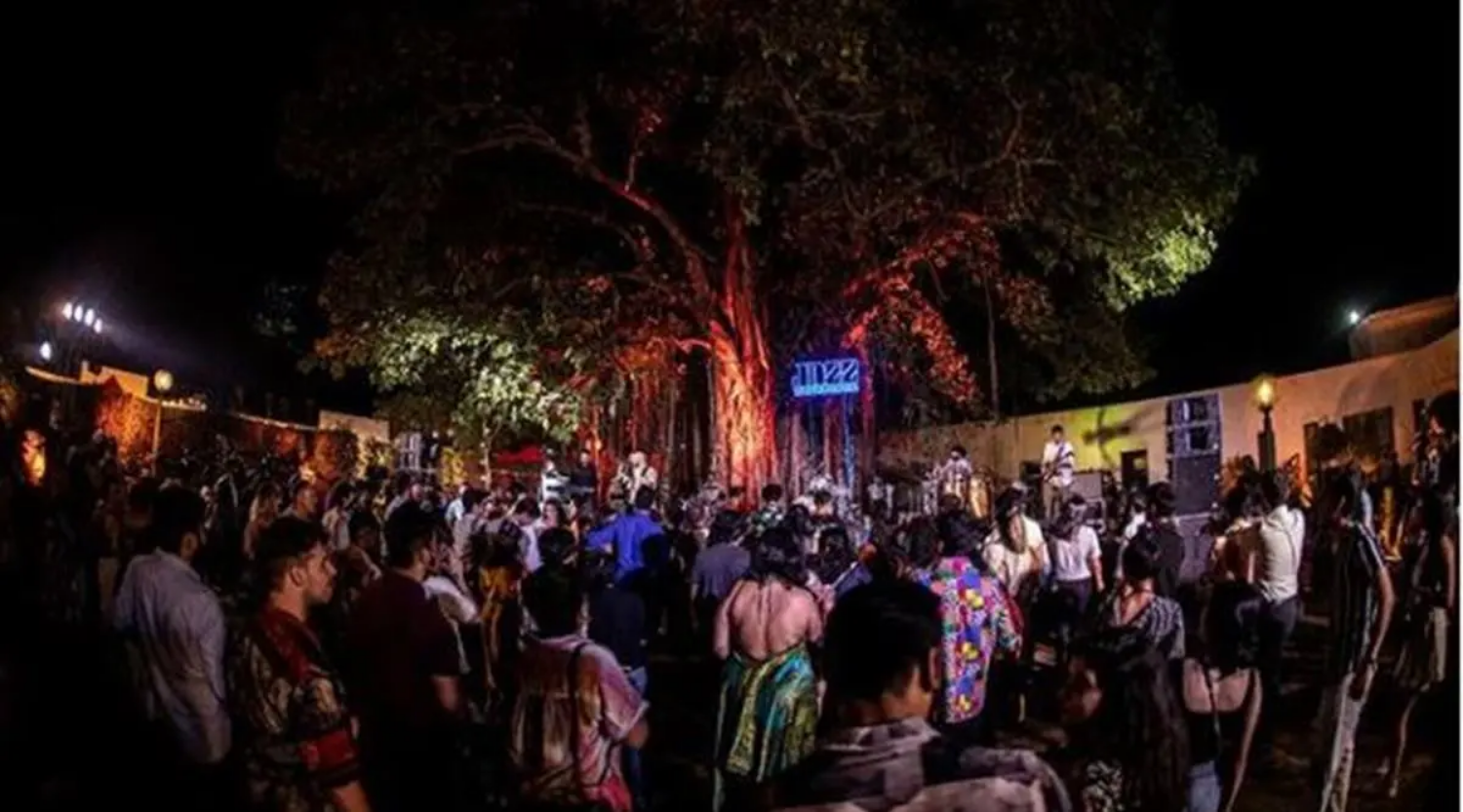
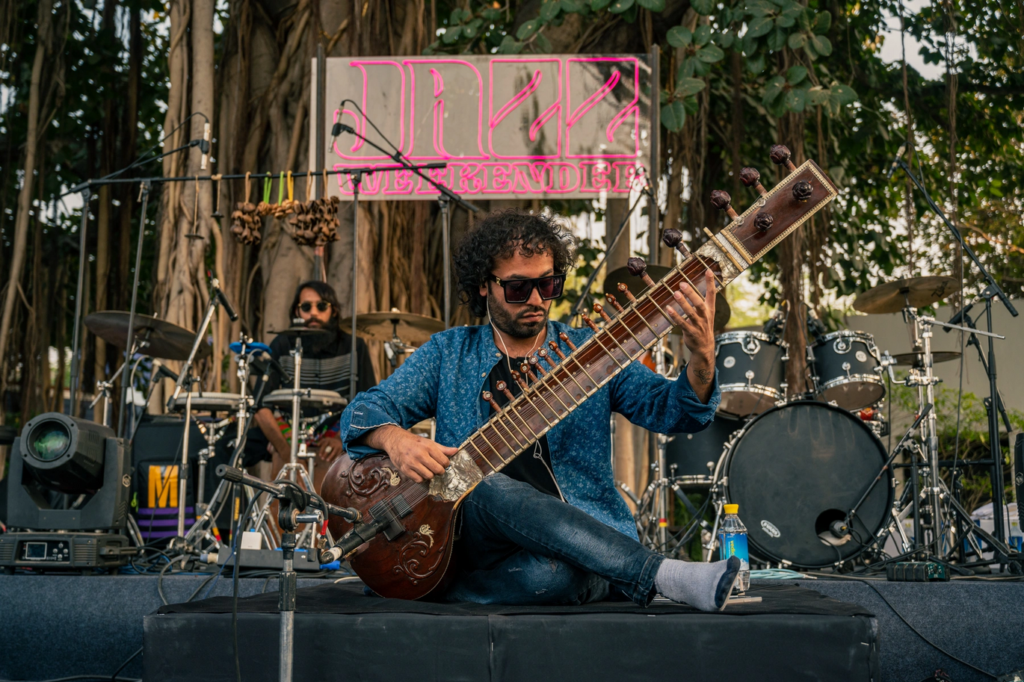
Following the successful summer edition in May 2022, the Jazz Weekender Festival returns with an exciting lineup of global artists for its winter edition scheduled on February 25 and 26 at 1AQ in Mehrauli.

Organised by boxout.fm, The Wild City, Gatecrash, and Jazz in India, this edition promises to showcase a diverse array of jazz talent. Among the featured artists are Amsterdam’s alternative hip-hop artist Cero Ismael, Argentine ensemble Desmadre Orkesta blending Balkan brass with Colombian Cumbias and New Orleans swing, and Dubai-based experimental trio Noon exploring Middle Eastern music fused with polyrhythmic jazz/rock.

The festival will also highlight homegrown talents including the dynamic duo Gino Banks x Rhythm Shaw, the eclectic Many Roots Ensemble from Pune blending folk, jazz, and funk, and Bengaluru’s R&B artist Mary Ann. Other performances include Delhi-based Sahil Vasudevan’s new ensemble 2 Indians, and a special presentation by Arjun Sagar Gupta exploring “The history of Jazz or Jazz through the ages” under the name asg.tpm, along with a unique set by Goa-based sibling duo Merak.

Partnered with the Embassy of the Netherlands, Cero Ismael joins the festival lineup for 2023, bringing his distinctive blend of hip-hop and jazz influences. Desmadre Orkesta will showcase their multicultural musical journey with collaborations featuring Indian artists Isheeta Chakravarty and Pratik Shrivastava.

The festival will not only feature captivating music performances but also offer a vibrant atmosphere with curated food and beverage experiences, bars, and a flea market set against the contemporary art-inspired lawns of 1AQ in Mehrauli.

Tickets for the festival can be booked on insider.in. The lineup for February 25 includes Merak asg.tpm, Tara Lily, Rhythm Shaw x Gino Banks, Nate08, and Kayan. On February 26, audiences can enjoy performances by Mary Ann, Cero Ismael, Sahil Vasudeva, Many Roots Ensemble, Gauley Bhai, and Desmadre Orkesta.

Maati review: Gifted jazz pianist Ron Cha’s expansive new album leaves an impression

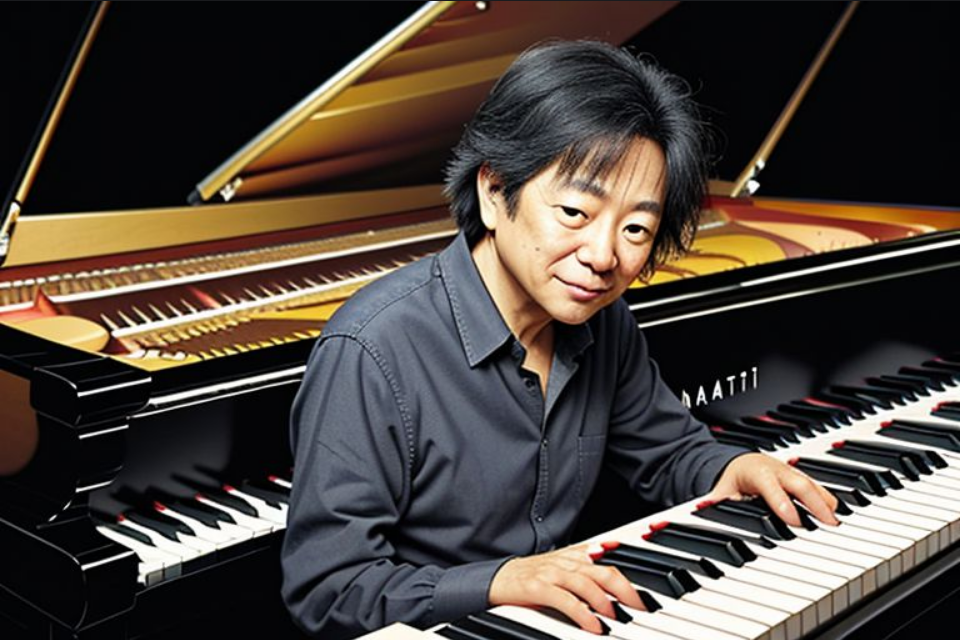
In his second EP “Maati” (Earth), jazz pianist Ronojit Chaliha, known as Ron Cha from Assam, introduces a track titled “Lost” that commences with a piano riff reminiscent of the xutuli, an ancient Assamese folk wind instrument shaped like a half moon, believed to have been introduced by Sino-Tibetan groups centuries ago. The renowned Assamese vocalist Kalpana Patowary sings this traditional folk song, passed down through generations, depicting the tale of a boat adrift in water without oars, uncontrollably spinning. About a minute into the track, Chaliha delves into a jazz interlude before returning to his Assamese roots just as Patowary begins the verses. The interaction of instruments—keys, bass, drums, guitars, and a nadhaswaram—creates an open and captivating musical interplay. Notably, Karthikeyan delivers a stunning nadhaswaram solo that deeply resonates and adds perspective to this poignant song.

“Lost” carries Chaliha’s subtle message to the world, emphasizing the beauty of folk melodies, tribal songs, and borgeets—pieces that authentically capture the complexities of Assam’s people—yet remain unheard by many and undocumented. In response, “Maati” stands as Chaliha’s endeavor to showcase folk compositions from his home state infused with his jazz sensibilities. The EP celebrates this blend of influences, instruments, and narratives, presenting them as a cohesive whole.

Beyond “Lost,” the EP features four additional tracks that not only highlight the 24-year-old musician’s artistic prowess but also underscore how young artists are preserving and promoting this invaluable cultural heritage. Chaliha, also recognized in western classical music circles, gained acclaim in 2013 for achieving the highest final score at Trinity College of Music’s Advance Certificate course in India—a record he still holds. However, “Maati” isn’t merely a testament to his formal music education; it reflects his deep connection to his heritage, making the EP a unique and heartfelt expression.

“O mur apuner dekh,” penned over a century ago by literary luminary Lakshminath Bezbarua and composed by Assamese politician and Lok Sabha MP Kamala Prasad Agarwala, appears on “Maati” as an instrumental piece featuring saxophone alongside Chaliha’s piano. Initially evoking a hymn-like quality, the composition transitions seamlessly into the jazz realm, weaving in and out of its folk origins—a testament to its timeless appeal and Chaliha’s innovative approach.

The opening track, “Awakening,” is a striking blend of Patowary’s evocative vocals merging folk and contemporary influences, accompanied by Chaliha’s masterful piano work and subdued vocals, showcasing his refined musical phrasing.

Chaliha collaborates with Biren Deuri, a folk musician from Major Chapori Gaon in Majuli—the world’s largest riverine island situated within the Brahmaputra River—to present “Doi Roi Bidi,” a Bihu folk song infused with vibrant bass lines and dynamic piano and drum interplay. Another track, “Bihu Blues,” sung by Patowary with Schwarz-Bart on saxophone and Chaliha on synth, pays tribute to the harvest season. While individually brilliant, the fusion of folk with jazz feels somewhat strained, lacking the seamless integration found in other tracks.

“Maati” stands as a compelling tribute to Assam, exploring its rich folk traditions through Chaliha’s artistic lens, hinting at future possibilities and leaving a lasting impression on listeners.

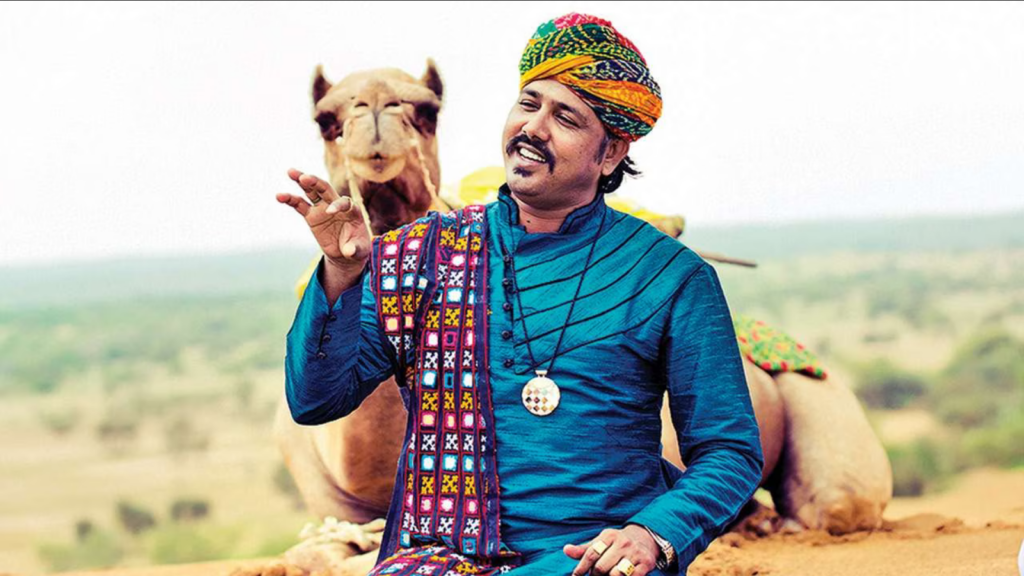
How Mame Khan, once a little-known Manganiyar from Jaisalmer, became a favourite with Bollywood composers

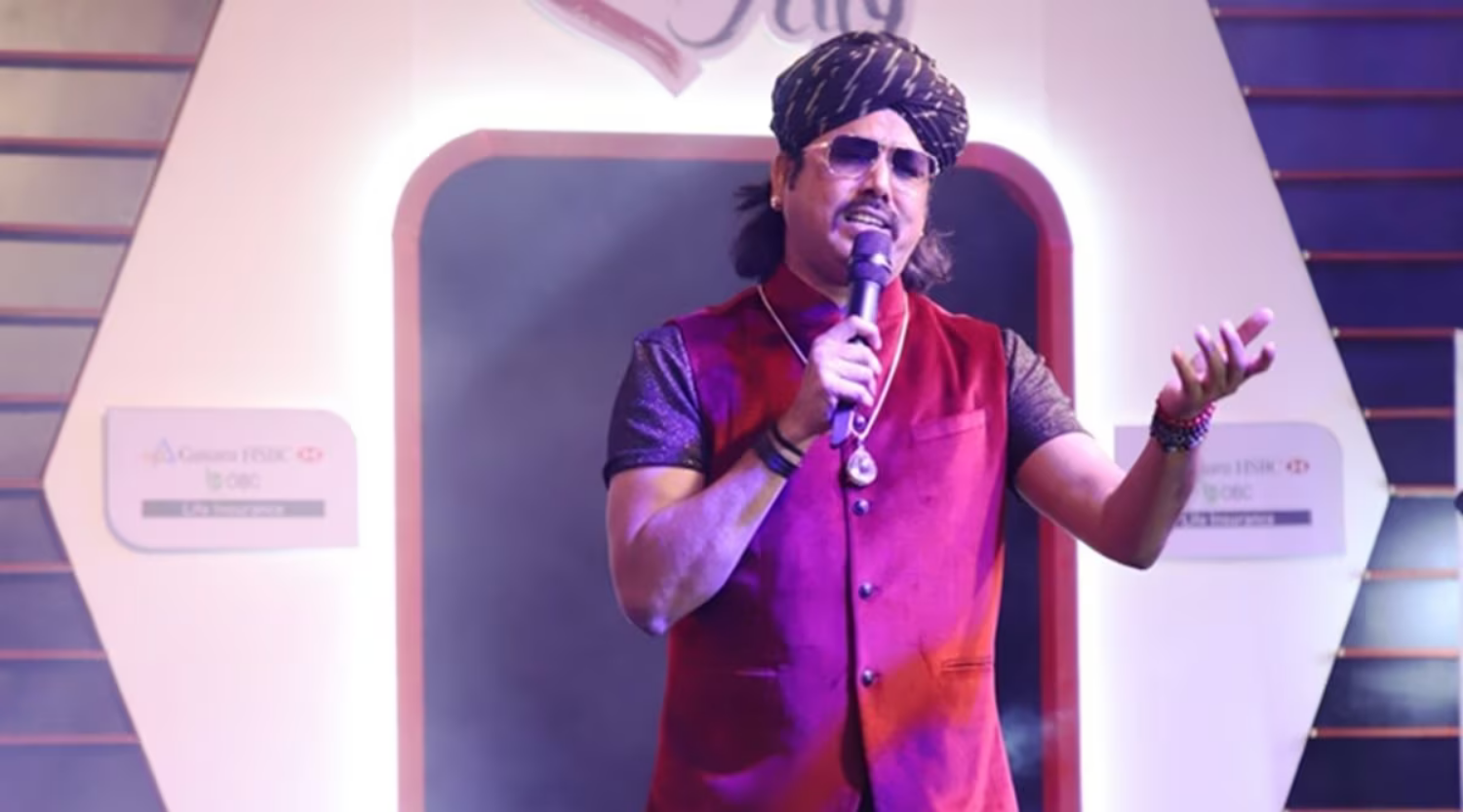
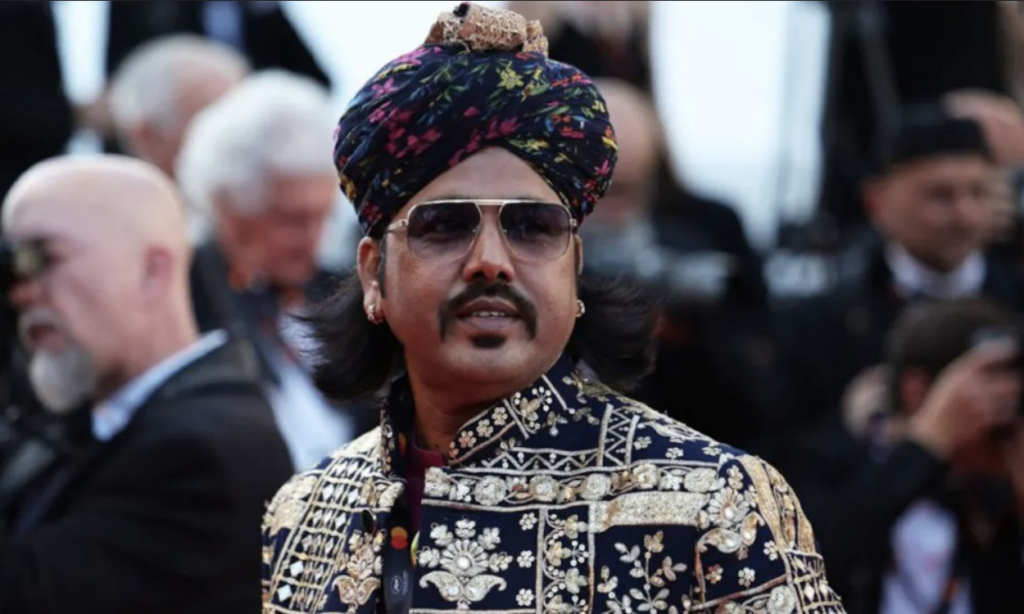
On Tuesday, Mame Khan, a musician from the Manganiyar community in Satto, a quiet village in Rajasthan’s Jaisalmer, graced the red carpet at Cannes as part of the Indian delegation led by Information and Broadcasting Minister Anurag Thakur. Adorned in a vibrant fuchsia kurta and dhoti, complemented by an intricately embroidered navy blue jacket and a traditional Rajasthani pagdi, the folk singer’s ensemble was curated by Anjuli Chakraborty, an art and music manager who has been collaborating with Khan for several years. Chakraborty played a crucial role in connecting Khan with the right people and opportunities to showcase his musical talent.

The Indian contingent at Cannes also included actors Nawazuddin Siddiqui and R Madhavan, two-time Grammy winner Ricky Kej, Chief of the Censor Board Prasoon Joshi, and director Shekhar Kapur, among others. Notably, Deepika Padukone served as a jury member at the festival this year.

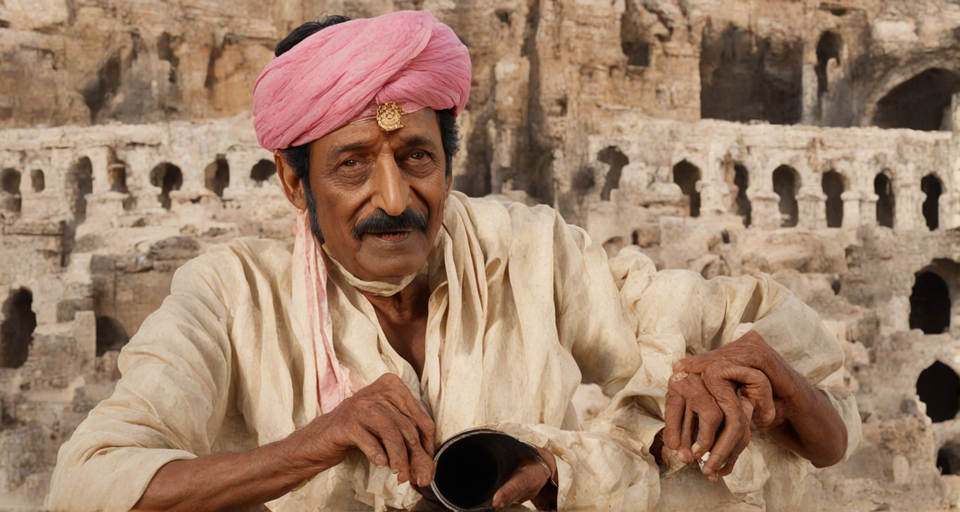
In the rich landscape of Rajasthani folk musicians who have left an indelible mark on India’s cultural scene, such as Lakha Khan and Bhanwari Devi, Mame Khan has taken a unique path. He ventured into a solo career a few years ago, opting to collaborate with various musicians instead of being tied to a specific folk group. This departure from the traditional Manganiyar folk group format, coupled with his extraordinary talent, has brought him increased mainstream attention. Consequently, Khan has lent his voice to several films, including Luck by Chance (2009), No One Killed Jessica (2011), Mirzya (2016), Sonchiriya (2019), and Dasvi (2022).

For many years, Khan’s life revolved around singing folk songs with fellow community members at local festivals and traditional events for his patrons, such as weddings and childbirth ceremonies. However, his journey took a significant turn in 2005 when he was invited to perform at the wedding of musician-actor Ila Arun’s daughter. This event led to a Mumbai-based musician introducing him to composer-singer Shankar Mahadevan, ultimately paving the way for Khan’s entry into the Bollywood music scene.

Raised in a musical environment by his father, Rana Khan Manganiyar, a Rajasthani musician supported by generations of landlords and aristocrats, Mame Khan developed his singing abilities from a young age. Despite coming from a family with a rich musical tradition, Khan faced financial challenges for a considerable part of his life. Nevertheless, his solo career and collaborations with renowned composers like Shankar–Ehsaan–Loy and Amit Trivedi have brought him recognition and success.

While Baawre marked Khan’s entry into Bollywood, his participation in Coke Studio @MTV sessions in 2015 and collaborations with the fusion band Maati Baani further strengthened his position as a versatile artist. Serendipitous encounters in Mumbai led him to theatre director Roysten Abel, who included him in The Manganiyar Seduction, a groundbreaking project inspired by Amsterdam’s red-light district.

Despite financial constraints, Khan pursued his dream of releasing a solo album. In 2015, faced with a lack of interest from music labels, he took the innovative approach of crowdfunding the album with the Manganiyars, making it a unique and community-supported endeavor. Khan’s recent contribution, the percussion-heavy song Nakhralo in the film Dasvi (2022), showcased his deep connection to Rajasthani folk music and garnered attention upon the film’s release.

Sudanese rap thrives with post-uprising freedoms

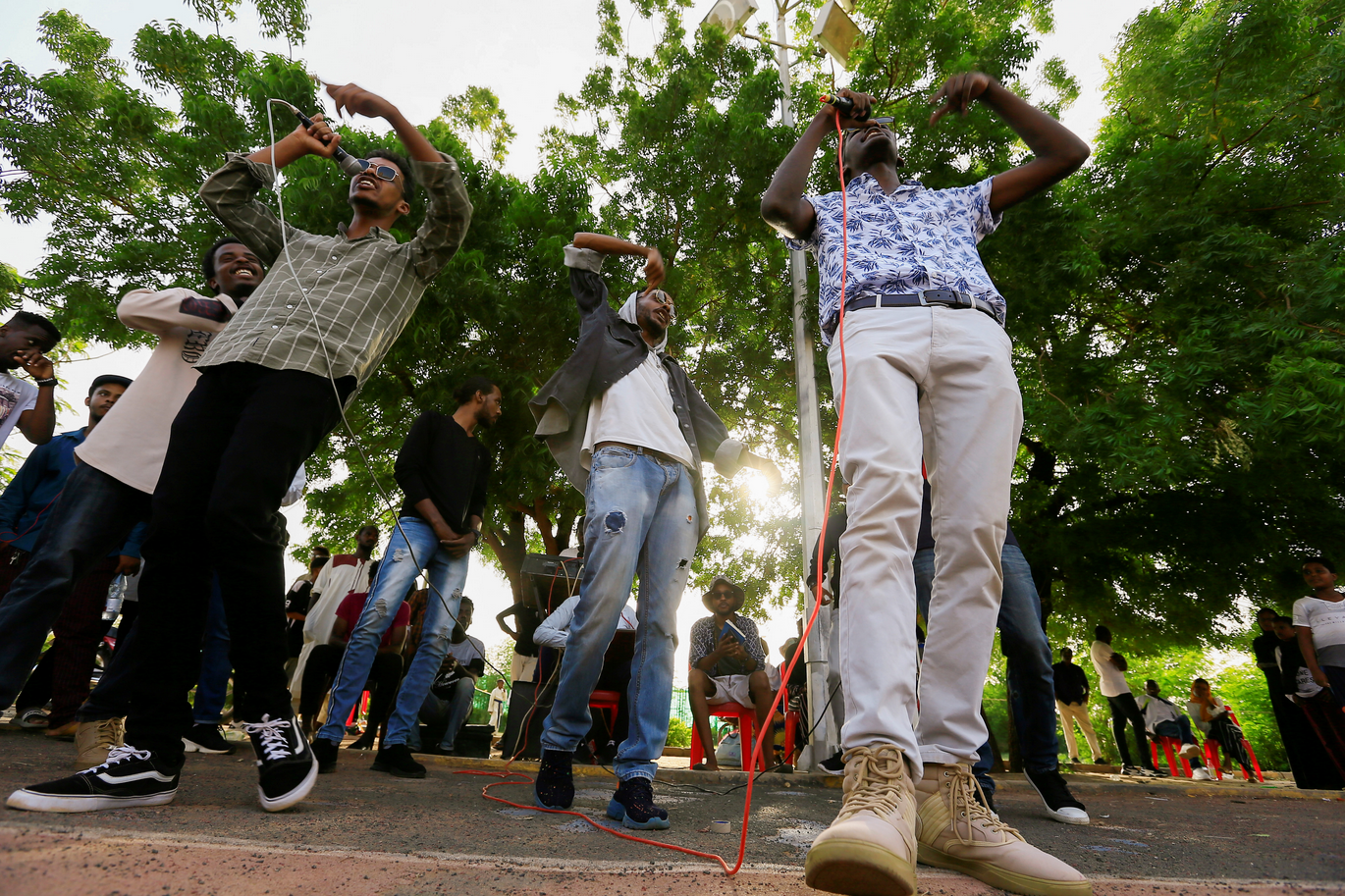
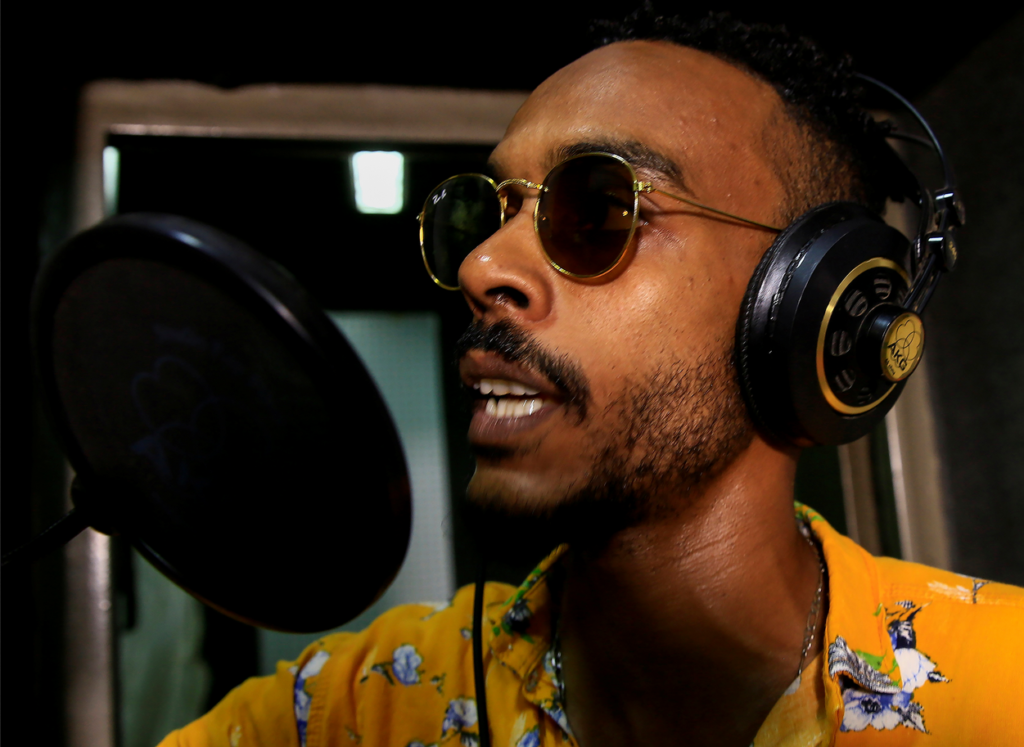
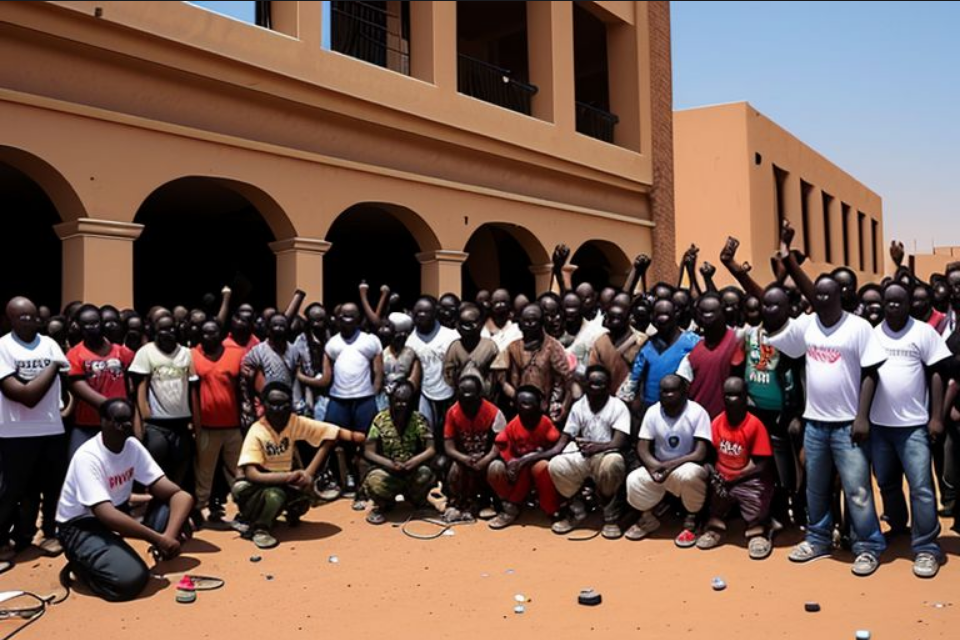
Sudanese rappers are leveraging relaxed social controls following the 2019 uprising to expand their presence, performing in public squares and concert venues to address a range of topics from challenging living conditions to personal relationships.

Ahmed Mahdy, a member of the rap group Ijraat (“procedures”), emphasizes that increased freedoms allow them to authentically portray Sudan’s ongoing issues amid deep economic crisis and the fragile shift towards democracy. “We always write about our reality,” he explains. “Whether it’s witnessing a homeless child on the street or the Nile flooding, we aim to convey these struggles using simple words and phrases that resonate with everyone.”

During the presidency of Omar al-Bashir, Sudan’s rap scene cautiously grew, navigating strict security services and limited performance venues due to stringent public order laws. Today, Ijraat performs across Khartoum, openly criticizing police actions, lamenting economic hardships, and referencing the burning tires from anti-government protests.

Their lyrics reflect societal challenges: “Happiness here is sold by the jerrycan. Women are hungry and the government is out of it,” sings one of their songs, highlighting the sale of illegal alcohol and economic disparity.

Mohab Kabashy, known as Mo3, underscores their appeal to youth seeking to voice personal and societal concerns. “Initially, it was about problems at home, with friends or partners,” explains the 26-year-old amidst his mixing board. “As people from my generation began listening, they connected with the issues I was addressing.”

Sudanese artists, blending Arabic and English, release albums through dedicated studios and cultivate significant followings on social media. They now perform in larger venues that previously hosted more traditional singers, drawing crowds in the thousands.

While rap played a pivotal role in the uprising against Bashir’s regime, Mahdy acknowledges lingering skepticism among Sudanese who view rap as foreign or morally questionable. Nonetheless, he remains optimistic about the transformative power of music. “Through songs and art, we trust that our generation can engage with complex issues,” Mahdy asserts, “no matter how challenging they may be.”

How Covid lockdown inspired this Delhi boy to create his first hip-hop song

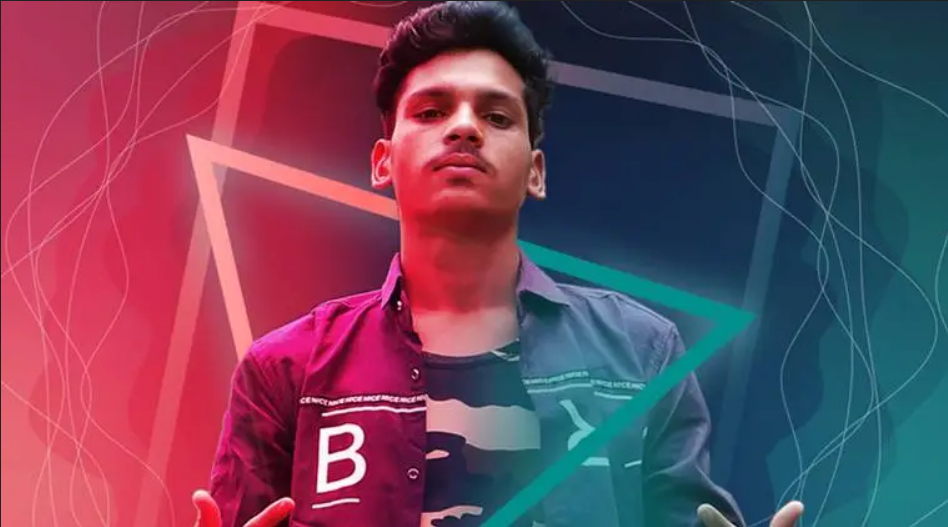
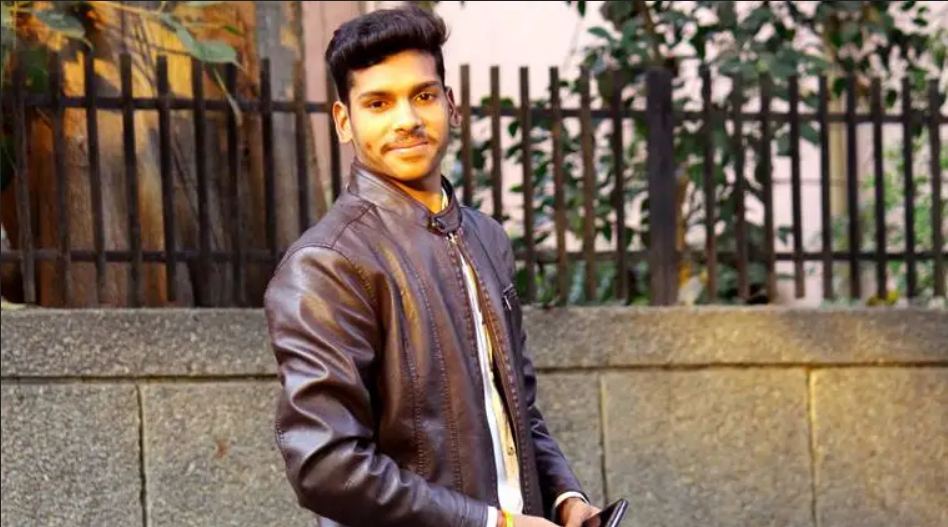
The ongoing impact of the coronavirus crisis has reshaped perspectives and pursuits for many, including 21-year-old Delhi resident Vikas Baghel. Facing unemployment after finishing college, Vikas, from a lower-middle-class background, decided to devote his time during lockdown to writing. This decision led him to create his first hip-hop track centered around the coronavirus lockdown, which has been gaining traction on social media and gathering popularity.

Crafting a music video under lockdown conditions with limited resources posed significant challenges. Here’s Vikas Baghel’s journey in his own words:

“I completed my diploma in mass communication in 2019 and worked as an anchor and scriptwriter at an online news channel for a year and a half. Later, I ventured into YouTube, focusing on bike reviews with a friend’s camera. Eventually, I bought a microphone and began shooting and editing videos at home.”

“During the lockdown, when my computer broke down, preventing me from uploading videos, I turned to writing, a passion of mine. Inspired by hip-hop music and artists like Raftaar, I aimed to create something meaningful rather than mere bravado.”

“My song addresses three themes: post-COVID-19 lifestyle changes, the plight of frontline workers, and the struggles of migrant workers. It took me 15 days to write, and I shared the rough cut with friends and neighbors, who appreciated it.”

“Recording posed a financial hurdle until an old friend helped me secure studio time at Loyal Studio in Tughlakabad, marking my first recording experience. Despite setbacks, including my video editor contracting COVID-19, we persevered, filming at an old building near Kondli Road once my friend recovered.”

“After editing, we uploaded the final video on June 8, 2020, and began promoting it on social media with support from friends and family. Although my parents, particularly my father, questioned the practicality of pursuing music as a career given our financial constraints, they have always supported my endeavors.”

“Academically, I’m the most qualified in my family, yet I haven’t secured a stable job. While my YouTube earnings have been modest, I aim to prove to my parents that music can be a viable profession. I recently released my second song in collaboration with another rapper and am already working on a third, exploring social issues close to my heart, from women’s rights to broader themes of humanity.”

Vikas Baghel’s story underscores resilience, creativity, and determination amid adversity, highlighting the transformative power of pursuing passion against all odds.

Guru Randhawa shares pictures from ‘historic Vancouver show’, thanks fans for love and support

After a physical altercation following his concert in Vancouver, Canada, pop sensation Guru Randhawa, hailing from Punjab, faced a disturbing incident where a fellow Punjabi man struck him on the face, resulting in four stitches on his right eyebrow. Following his return to India after concluding his concert tour in the US and Canada, initial reports suggested that Randhawa had decided to abstain from performing in Canada in the future.

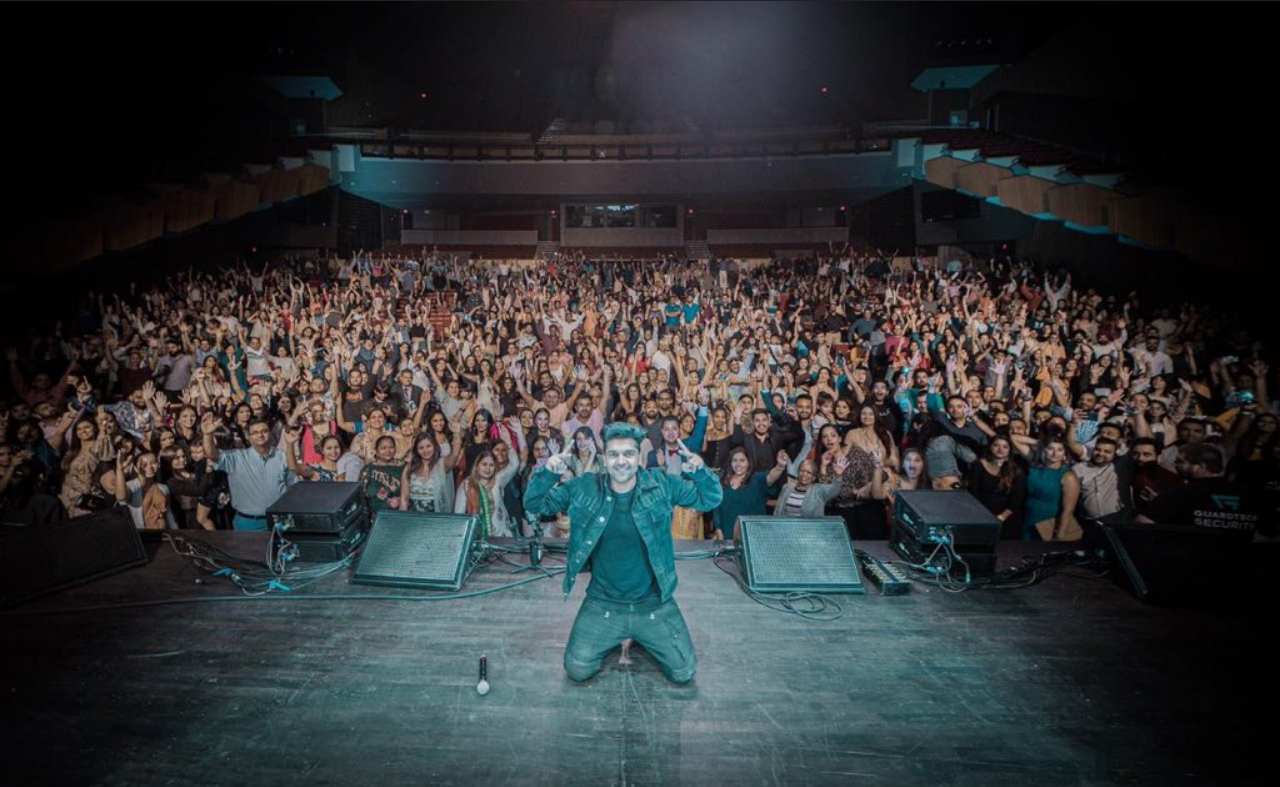
However, it appears that the “High Rated Gabru” singer has had a change of heart. On Wednesday, Randhawa posted pictures from what he referred to as his “Historic VANCOUVER show” and expressed gratitude, stating, “This was the Historic VANCOUVER show we did where the incident took place. And yes, I will see you all soon ❤️ Thanks Vancouver for your love and support.” He went on to thank everyone who stood by him and showered him with love in the aftermath of the unfortunate incident, saying, “And thanks to everyone who’s shown so much love from all over the world after the incident.”

The assault occurred during the last leg of Randhawa’s nine-city tour in the US and Canada. The incident prompted widespread attention on social media, with numerous Twitter users sharing a photo of the singer bleeding. In response, Guru Randhawa’s team issued a statement providing details of the incident:

“Guru is back in India with four stitches on his right eyebrow and mega-successful USA/Canada tour. The incident happened on 28th July in Vancouver when Guru told one Punjabi man not to come on stage while he was performing for the audience. That man was trying to come on stage again and again and then he started fighting with everyone backstage. He was known to the local promoter Surinder Sanghera who sent him away during the show. But at the end when Guru finished the show and was leaving the stage, that Punjabi man came and hit him hard on his face with a punch, because of which Guru started bleeding on the spot from his forehead above the eyebrow and went back to stage and showed it to the audience.”

Well-wishing messages for a speedy recovery poured in from fellow singers such as Gippy Grewal, Mika Singh, Harshdeep Kaur, and others. Despite this unfortunate incident, Guru Randhawa, known for his chart-topping tracks like “High Rated Gabru,” “Patola,” and “Ban Ja Rani,” has continued to make a mark in the music industry, having recently achieved international success with his track “Slowly Slowly” featuring Pitbull. His contributions extend to composing and singing for Bollywood films, including Hindi Medium, Tumhari Sulu, Dil Juunglee, Sonu Ke Titu Ki Sweety, and Blackmail.

In his second studio album, jazz drummer Sarathy Korwar continues to colour outside of the lines of genre

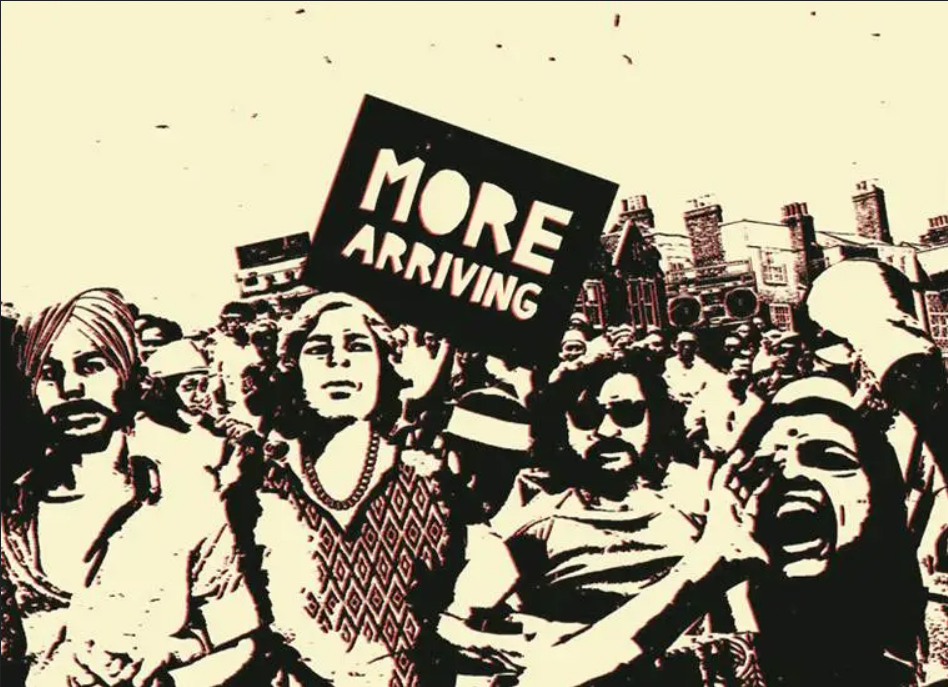
Sarathy Korwar’s upcoming studio album, “More Arriving,” defies easy categorization into any single genre. Is it a nu jazz experiment, a jazz album infused with hip hop, or perhaps the reverse?

Three years have passed since Korwar’s debut album, “Day to Day,” which placed him prominently on the global jazz-electronica map. His sophomore effort reflects significant evolution. While “Day to Day” explored themes of migration, history, and homeland, “More Arriving” emerges as a politically charged dispatch from the UK. It confronts the experience of being a modern brown man in a society that often imposes rigid stereotypes. Korwar clarifies, “This album is my response to how my music and I are perceived in the UK. It challenges misconceptions that arise from ignorance and prejudice.”

Playing drums throughout the eight-track album, Korwar collaborates with a diverse ensemble. MCs from India and the desi diaspora deliver compelling verses, complemented by Danalogue on synths (from London’s nu-jazz group, The Comet is Coming), Tamar Osborn on baritone sax, and Al MacSween from Kefaya on keys.

Korwar questions what ‘Indian’ music truly represents amidst the UK’s tendency to homogenize it, much like how Indian food is often reduced to chicken tikka masala and naan. “I’m not defining a modern Indian sound,” he explains. “Instead, I’m presenting my perspective as an Indian musician in the present moment. This album explores what it means to be brown across different global contexts, including India.”

“More Arriving” opens with “Mumbay,” where Osborn’s saxophone introduces an Indo-Arabic riff setting the stage for MC Mawali’s rhythmic flow, adeptly navigating Korwar’s complex 7/4 time signature. Mawali’s lyrics playfully engage with Mumbai’s identity, from colonial Bombay to the contemporary metropolis, encapsulated in the neologism “Mumbay.”

Reflecting on the rise of desi hip hop around the release of his debut album, Korwar draws inspiration from its grassroots origins. “Desi hip hop isn’t led by the genteel upper-middle class,” he observes. “It’s a DIY movement with artists rapping in local languages, shaping not only their song subjects but also their cadence and flow.” Korwar’s travels to Delhi and Mumbai from 2017 to 2018 enriched the album, collaborating with artists like Delhi Sultanate, Prabh Deep, Trap Poju, MC Mawali, and classical vocalists Aditya Prakash and Mirande.

His UK label, Leaf, recently released the video for “Bol,” the album’s second single featuring London-based poet Zia Ahmed. Ahmed’s incisive verses provoke thought with lines like, “I am your gap year, you said you were lost, I hope you found yourself.” Against Prakash’s classical refrain from Faiz Ahmad Faiz’s iconic poem, “Bol ke lab azaad hai tere,” spoken word also features prominently in the closing track, “Pravasis.” Here, Korwar collaborates with Abu Dhabi-based novelist Deepak Unnikrishnan, crafting a sparse yet powerful piece that dissects the politics of race and migration through stark word associations.

Korwar’s artistic journey reflects growth and clarity in his political stance. “For me, anger and vulnerability aren’t negative emotions; they can be empowering,” he asserts. Departing from the philosophical tone of his debut, the album’s title and artwork—celebratory depictions of overlooked communities—highlight his solidarity with marginalized voices in the face of contemporary challenges like Brexit and the refugee crisis.

“More Arriving” stands as a testament to Korwar’s artistic courage and vision, challenging conventions and inviting listeners to engage with complex narratives of identity and belonging in a globalized world.

Deejay Shadow Dubai talks about his multicultural background and its influence on the tracks he creates and plays

Known for his dynamic performances and keen musical instincts, Deejay Shadow Dubai is a music producer who effortlessly gets the crowd moving to his beats. Hailing from Dubai, this artist is constantly on the move and recently showcased his talents at the ‘Bollywood Night’ in Mi-a-mi, the club at Pune’s JW Marriott. Notably, he has recently collaborated with Guru Randhawa and Pitbull on the track titled “Slowly Slowly.” Deejay Shadow Dubai is also the founder of Shadow Experience, a collective that brings together artists, producers, songwriters, and DJs to create and support Bollywood music on a global scale. Some of his other popular works include “Aaja ni aaja,” “Move your body,” “Champagne train,” “Saari saari raat,” “Rich,” and various official remixes.

In a recent interview, Deejay Shadow Dubai shared insights into his musical journey:

**Earliest Musical Memory:**

Growing up in Dubai, a melting pot of cultures, music played a pivotal role in the fusion of East and West. This environment not only forms one of my earliest memories of music but also lays the foundation for my career. The sound of “Slowly Slowly” is a prime example of this cultural blend that captivated me at a young age. Collaborating with two giants from the East and the West, Guru Randhawa and Pitbull, is a privilege.

**Decision to Pursue Music Full Time:**

Music has always been in my blood. Initially working in the events industry, I contemplated my life’s path as a teenager. My exposure to DJ sets and passion for music, cultivated during events, sparked a deep interest. Transitioning from DJing to music production was a natural progression driven by my profound passion. There wasn’t a specific moment but a gradual realization that music was my calling.

**Musical Inspirations:**

Inspiration is omnipresent, drawn from life experiences and encounters with people worldwide. Traveling allows me to explore diverse sounds that can be incorporated into my music. It strikes when least expected—sometimes waking up with a particular sound in mind. Collaborating with artists like Sean Paul, Bohemia, Jay Sean, Badshah, Guru Randhawa, and Pitbull brings unique experiences to the creative process.

**Challenges in Music Production:**

As a DJ, standing out amidst a sea of remixes and mashups poses a significant challenge. It takes time to find one’s unique sound, identify the target audience, and understand what works. The prevalence of song remakes in the market limits our sets, as original compositions are scarce.

**Evolution of Work Since the Beginning:**

My journey started with a desire to blend Bollywood and electronic music, an unconventional combination at the time. Initially, I focused on remixes, garnering positive responses and securing spots in the top 10 of the BBC Asian Network. The progression continued into mashups and now includes original music, paving the way for international collaborations like “Slowly Slowly,” “Move your body,” and “Aaja ni aaja.”

**Upcoming Projects:**

Following the success of “Slowly Slowly,” I am thrilled about touring and sharing this song with fans. Anticipate more original music this year as collaborations take center stage, uniting the world through music and bringing Indian music to a global audience. Stay tuned for some exciting projects in the pipeline.